
Someone shares their screen during a meeting. A complex dashboard appears — revenue numbers, pipeline stages, churn rates, maybe a Gantt chart or a product roadmap. You squint. You try to process it. But the presenter is already three slides ahead, and you’re still trying to figure out what that red bar in the corner meant.
This is one of the most quietly frustrating parts of modern work. We spend hours in video calls where critical visual information flies by — sales decks, financial reports, competitive analyses, architectural diagrams — and we’re expected to absorb it all in real time while simultaneously listening, thinking, and contributing.
Most people cope by taking frantic screenshots or scribbling notes they’ll never revisit. But a new class of AI tools is changing that dynamic entirely, letting you capture what’s on screen and get instant, structured analysis without missing a beat in the conversation.
The Visual Overload Problem Nobody Talks About
Research on cognitive load has long established that humans struggle to process visual and auditory information simultaneously when both streams are complex. When your colleague presents a dense spreadsheet while explaining the quarterly strategy, your brain is essentially forced to choose: listen carefully, or study the visual. You can’t do both well.
This gets worse in remote settings. On a video call, you’re working with a compressed screen share, often on a laptop-sized display. The resolution drops. You can’t lean forward and point at something. You can’t easily ask “wait, can you go back two slides?” without derailing the entire meeting.
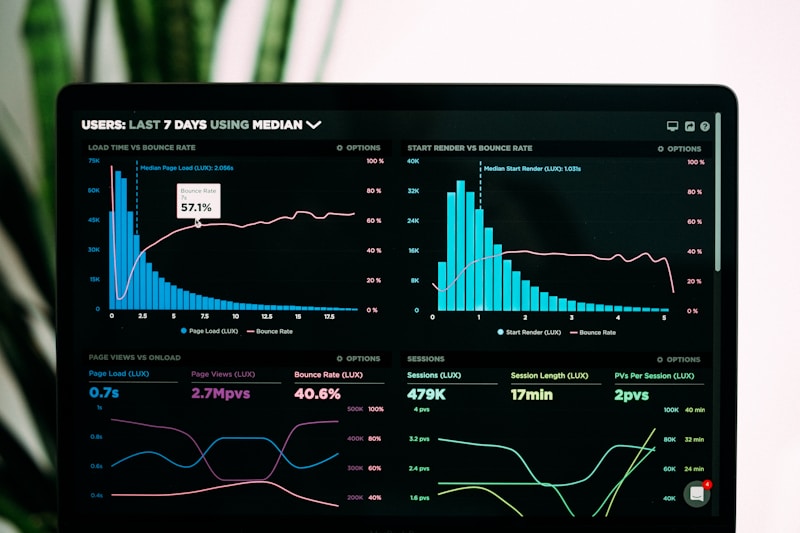
The result? Meetings where visual information was shared often end with participants having wildly different understandings of what was actually presented. A common failure mode in meeting notes is that they capture what was said but completely miss what was shown.
How Screenshot-to-AI Analysis Works
The concept is straightforward, even if the technology behind it isn’t. During a live video call, you capture whatever is currently being displayed — a slide, a dashboard, a document, a design mockup — and an AI model immediately analyzes the visual content, extracts the key information, and presents it to you in a digestible format.
This happens in seconds, while the meeting continues. You don’t need to pause the conversation. You don’t need to ask the presenter to slow down. The AI processes the visual independently, giving you a structured breakdown you can reference during or after the call.
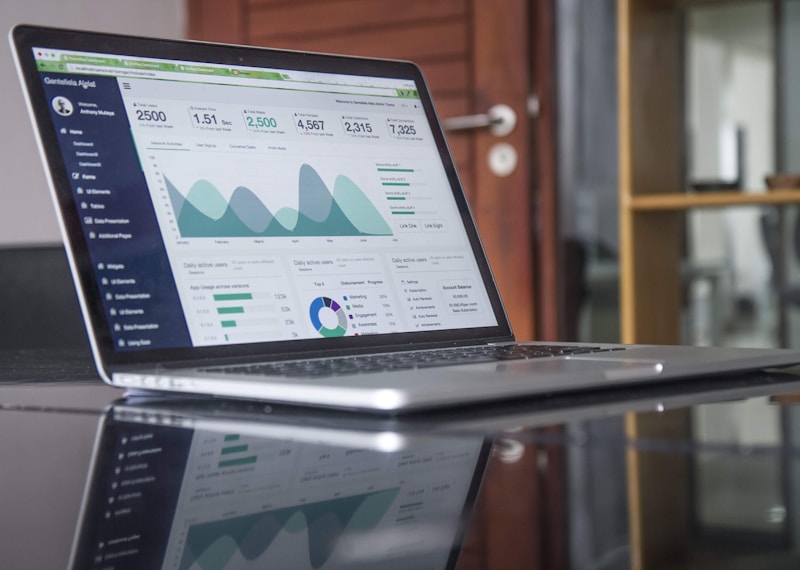
What makes this genuinely useful rather than gimmicky is the depth of analysis. A good implementation doesn’t just run OCR and dump raw text at you. It understands context. If you capture a sales pipeline dashboard, it identifies the stages, highlights anomalies (why is Stage 3 conversion suddenly 40% lower than last quarter?), and surfaces the numbers that matter. If you capture an architectural diagram, it maps the relationships between components and flags potential bottlenecks.
Where This Changes the Game
Sales Calls and Demos
During a sales demo, prospects often share their current setup — their existing tools, their workflows, their dashboards showing the problems they’re trying to solve. This is gold for a sales rep, but it goes by fast. With screenshot-to-AI, a rep can capture the prospect’s screen share and instantly get an analysis: what tools they’re using, what metrics they’re tracking, where the pain points likely are. That intelligence feeds directly into how the rep positions their solution for the rest of the call.
This is a significant upgrade over the old approach of furiously scribbling “they use Salesforce + HubSpot, mentioned churn issues” and hoping you captured enough detail. The AI preserves the specifics — exact numbers, exact layouts, exact tool configurations — that make follow-up conversations dramatically more informed.
Financial Reviews and Board Meetings
When a CFO walks through quarterly financials, the slides are dense. Revenue breakdowns by segment, margin analysis, cash flow projections, comparison to forecast. Even experienced operators struggle to absorb everything in real time. Capturing key slides for instant AI analysis means you can ask intelligent follow-up questions during the meeting itself, rather than emailing three days later asking “what was our APAC margin again?”
Product and Design Reviews
Design reviews involve rapid iteration — someone shares a Figma prototype, flips through screens, discusses interaction patterns. Capturing specific screens and getting an instant structural breakdown (navigation hierarchy, component patterns, information density per screen) helps you give more substantive feedback instead of vague “looks good” responses.
Technical Architecture Discussions
System architecture diagrams are notoriously hard to follow when someone is walking through them verbally. Services, databases, message queues, API gateways — it’s a lot of boxes and arrows. AI analysis can map the topology, identify single points of failure, and flag areas where the design might not scale, giving you a structured reference while the discussion continues.
What to Look for in a Screenshot Analysis Tool
Not all implementations are equal. Here’s what separates useful tools from novelty features:
Speed matters more than anything. If the analysis takes 30 seconds, the meeting has moved on and the context window has closed. The best tools return results in under five seconds — fast enough that you can glance at the analysis while the presenter is still on the same topic.
Context awareness is critical. The tool should understand what type of visual it’s analyzing. A sales dashboard needs different treatment than a code review. Look for tools that adapt their analysis based on the content type rather than applying a generic “describe what you see” approach.
Privacy and visibility. This is a big one. If you’re capturing screen shares during a sensitive negotiation or a confidential review, you need to be confident the tool isn’t visible to other participants. Edisyn’s approach to this is particularly worth noting — their Screenshot to AI feature works alongside Ghost Mode, which makes the entire application invisible to screen recordings and screen shares. The capture and analysis happen entirely on your side, with zero visibility to anyone else in the meeting.
Integration with conversation context. The screenshot analysis becomes exponentially more useful when it’s connected to what’s being said. If the AI knows that the presenter just mentioned “we’re struggling with Stage 3 conversion” and you capture the pipeline dashboard, it can immediately correlate the visual data with the verbal context and surface the specific Stage 3 numbers front and center.
Building a Workflow Around Visual Capture
The real power of screenshot-to-AI isn’t in capturing everything — it’s in knowing when to capture. Here’s a practical framework:
Capture when complexity spikes. If someone shares a simple agenda slide, you don’t need AI analysis. But when a dense data visualization appears, or a multi-layered system diagram, or a detailed project timeline — that’s your trigger. The complexity of the visual exceeds what you can comfortably process while still participating in the conversation.
Capture when stakes are high. In a discovery call with a potential client, every piece of visual information they share about their current setup is valuable intelligence. In a board meeting, the financial slides contain numbers you’ll need to reference for weeks. In a product launch review, the timeline and dependency diagram will drive your team’s priorities. These are moments where the cost of missing details is high.
Capture for post-meeting leverage. Even if you understood the visual in the moment, having an AI-generated analysis in your meeting notes transforms your follow-up. Instead of “they showed us their dashboard — looked like some issues in the pipeline,” you can reference specific metrics, specific trends, specific anomalies. This makes your shared meeting notes dramatically more useful to teammates who weren’t on the call.
The Shift from Passive Watching to Active Processing
What’s happening here is a fundamental change in how we engage with visual information during meetings. For years, screen sharing was essentially a broadcast medium — someone shows something, everyone tries to absorb it, and the presenter controls the pace. If you missed something, tough luck.
Screenshot-to-AI turns passive viewing into active processing. You’re no longer at the mercy of the presenter’s pacing. You can capture the exact moment that matters to you, get an independent analysis on your terms, and use that analysis to ask better questions, make better decisions, and retain more information after the meeting ends.
This is especially powerful for people who process information differently. Some people are strong auditory processors and can follow a verbal explanation easily but struggle with dense visuals. Others are highly visual but get lost when the presenter starts narrating over a complex chart. AI analysis bridges that gap by giving you a textual, structured breakdown of visual content — essentially translating between modalities in real time.

Privacy Considerations Worth Thinking About
Any tool that captures screen content during meetings raises legitimate privacy questions, and they’re worth taking seriously rather than hand-waving away.
First, there’s the question of consent. If you’re capturing someone else’s screen share for AI analysis, is that ethically different from taking notes about what they presented? Most workplace norms and legal frameworks treat visual note-taking during meetings as acceptable, but it’s worth being transparent with your team about the tools you’re using.
Second, there’s data handling. Where does the captured image go? Is it processed locally or sent to a cloud service? Is it retained or deleted after analysis? These are questions worth asking any tool you evaluate. The best implementations process visuals with minimal data retention and give you control over what gets saved.
Third, there’s the visibility question mentioned earlier. A tool that’s visible to other meeting participants creates social dynamics — people might present differently if they know you’re running AI analysis on their slides. Tools that operate invisibly avoid this friction entirely, letting everyone engage naturally.
Getting Started
If you’re spending more than a few hours a week in meetings where visual information is shared — and in 2026, that’s most knowledge workers — experimenting with screenshot-to-AI is worth your time. The learning curve is minimal (it’s literally “see something complex, capture it”) and the payoff in comprehension and follow-up quality is immediate.
Start with your highest-stakes meetings. The ones where missing a detail in a dashboard or a slide actually costs you — whether that’s a sales call where you need to reference the prospect’s data, a financial review where the numbers drive decisions, or a product review where the design details matter.
Pay attention to how it changes your participation. Most people report that offloading visual processing to AI actually makes them more present in the conversation, not less. When you’re not frantically trying to memorize a chart, you can focus on what the presenter is saying, ask sharper questions, and engage more deeply with the discussion.
That shift — from stressed multitasking to confident, AI-augmented participation — is really what this technology is about. Not replacing your judgment, but giving you better information to exercise it.