Calendar sync prevents double bookings
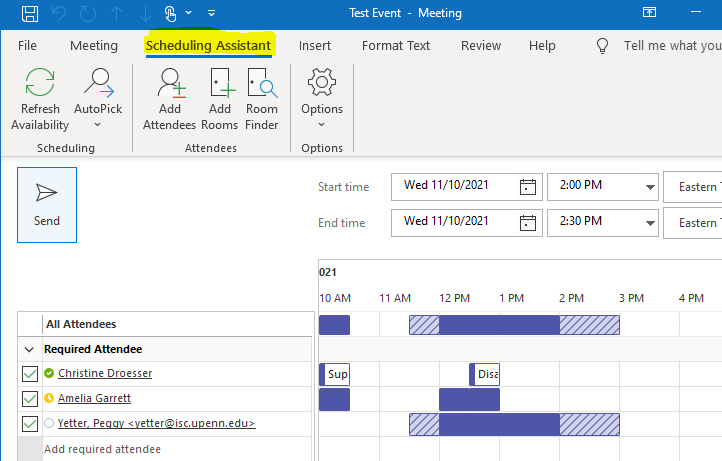
Connecting calendars to a virtual scheduling assistant removes the friction of manual back-and-forth emails when booking time with clients or colleagues. A scheduling assistant free option lets individuals and small teams start without paying a cent while still gaining automated availability checks and booking links. The main benefit shows up immediately: double bookings disappear because the tool reads your calendar in real time and blocks slots already taken.
Many users also discover they can set custom buffers between meetings so they never run from one call straight into the next with a scheduling assistant free. This setup works especially well for freelancers who juggle several projects and need to protect focus time without extra software costs. This pairs well with Outlook 365 scheduling assistant feature map: desktop, New Outlook,…, which works through concrete examples.
For instance, a freelance graphic designer I know uses the free tier to block out creative mornings while automatically opening afternoons for client reviews, which has cut her scheduling emails by more than half. Another practical advantage is how the tool handles time zones automatically, preventing the common headache of 9 a.m. meetings that actually land at midnight for international contacts. For more context, see Edisyn. A closely related walkthrough, What to check in meeting assistant outlook before sending invites, picks up where this section ends.
Once the calendar link is active, the assistant can generate shareable booking pages that reflect only the hours you actually have open. The result is fewer missed details and faster responses when someone requests a meeting. In most systems the connection takes just a few clicks yet saves hours each week that would otherwise go to coordination. Imagine a consultant who previously spent twenty minutes per client exchange; now that time shifts to actual billable work. Many professionals report feeling less stressed because the virtual assistant for meetings acts like a reliable gatekeeper that never forgets to account for lunch breaks or recurring team syncs. A closely related walkthrough, Best google calendar meeting scheduling assistant for teachers, picks up where this section ends.
Why a Free Scheduling Assistant Matters for Solo Professionals
Small business owners often start with a free scheduling assistant because it provides core automation without upfront fees. This lets them test whether the workflow fits before committing budget. The key is noticing how real-time sync reduces human error that creeps in during rushed email threads. Over time, users realize the tool also surfaces patterns, such as which days fill fastest, helping them plan workloads more strategically. This pairs well with Which meeting assistant for google calendar that suggests times…, which works through concrete examples.
Step-by-Step Guide
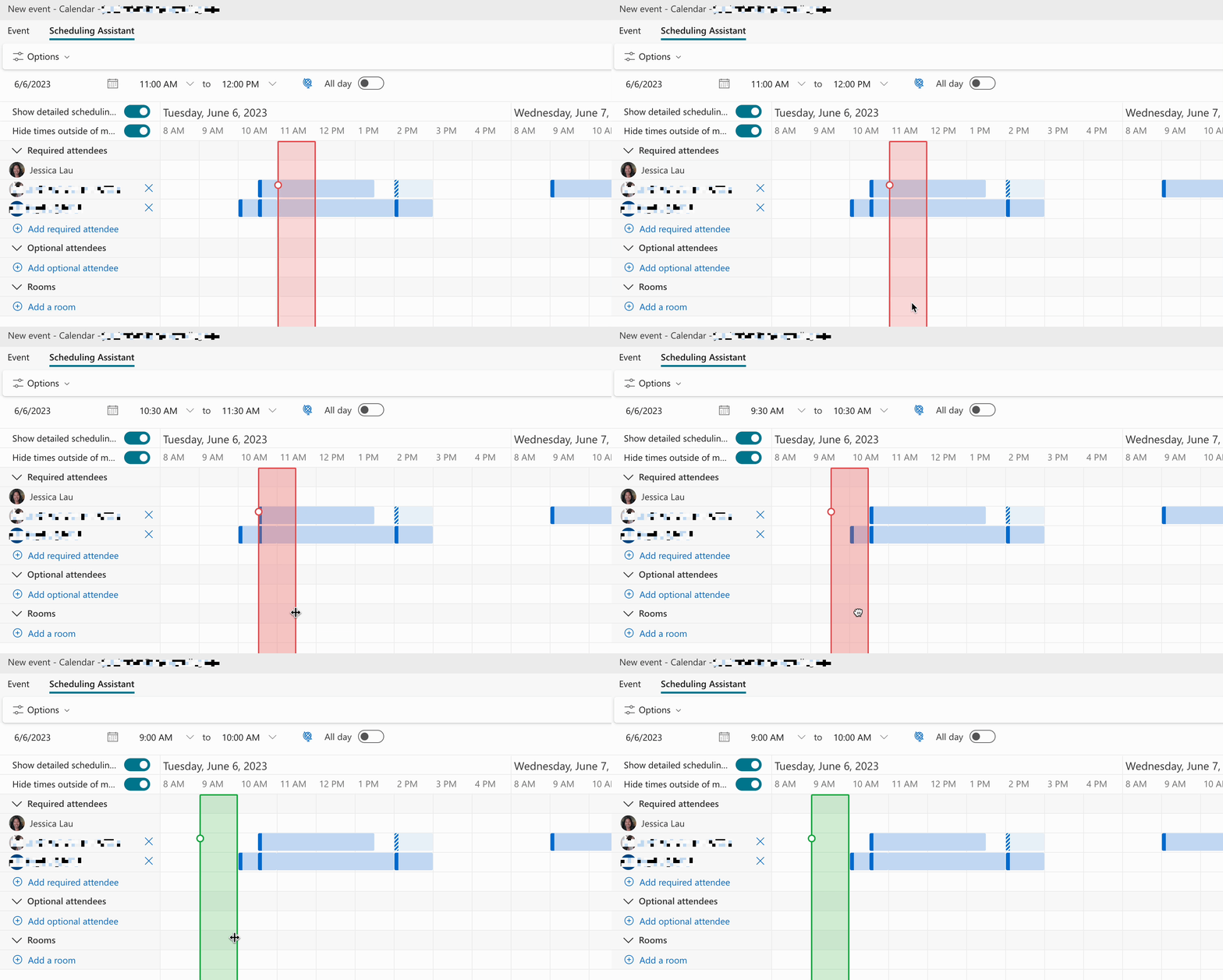
- Choose the tool that matches your workflow. Start by comparing free tiers from popular platforms that advertise a scheduling assistant free plan. Look for clear calendar sync options and an easy way to define availability windows. Test the sign-up process yourself so you know how long it takes to reach a working booking link. Most services let you connect Google Calendar or Outlook within the first minute after account creation. A helpful tip is to read recent user reviews focused on reliability rather than flashy features, since stability matters most for daily use.
- Grant calendar permissions next. The assistant needs read and write access so it can see existing events and block time once a booking occurs. Go into your calendar settings, find the integration section, and approve the request from the scheduling tool. After permission is granted, refresh the assistant dashboard to confirm it sees your current meetings. This step prevents the most common source of double bookings. One user shared that skipping this refresh caused an overlooked all-day personal appointment to overlap with a new client call.
- Define your availability windows carefully. Open the settings panel and mark the hours you want to accept meetings, then add buffer time between appointments. For example, set a 15-minute gap after every call so you can finish notes or grab water. Save the changes and watch how the available slots update on your preview booking page. Adjust the windows again if you notice personal commitments that should stay private. A practical tip here is to color-code personal versus professional time in your main calendar so the scheduling virtual assistant treats both correctly.
- Generate the booking link once the calendar sync looks correct. Copy the unique URL the assistant creates and paste it into your email signature or website contact form. Some tools also let you create multiple links for different types of meetings, such as 30-minute discovery calls versus one-hour strategy sessions. Label each link clearly so recipients know exactly what they are booking. This flexibility proves especially useful for coaches who offer both quick check-ins and deeper planning sessions.
- Test the entire flow with a sample meeting. Send the link to a colleague or use a second email address to book a slot yourself. Check that the event appears on your calendar with the correct title, time, and buffer. If anything looks off, return to the availability settings and fix the rule before sharing the link with real clients. A quick test catches timezone mismatches that often surface later. Consider running this test at different times of day to verify the system respects your recurring weekly commitments.
During setup you can also connect secondary calendars if you keep work and personal events separate. The assistant reads all connected calendars and treats them as busy time. See Edisyn for more context on handling live conversations that arise from these booked meetings. After the test booking succeeds, share the link with your next prospect and watch the calendar fill itself. Many people find it useful to add a short note in their booking confirmation email reminding clients to add the event to their own calendars right away. For the adjacent problem, Build your first online scheduling assistant: turn calendar… goes deeper into the specifics.
Integrating Multiple Calendars for Better Accuracy
Connecting more than one calendar turns a scheduling assistant free into a true command center. The system then automatically blocks any overlapping personal or family events, which protects your energy and reputation. Users who maintain separate work and family calendars often report fewer last-minute cancellations once this step is complete.
Common Mistakes
- ❌ Wrong: Leaving the default timezone setting untouched. ✅ Right: Check the timezone selector during initial setup and match it to your primary location so bookings land at the intended hour. Travelers especially benefit from double-checking this after crossing time zones.
- ❌ Wrong: Connecting only the main calendar and ignoring secondary ones. ✅ Right: Add every calendar you use for meetings so the assistant sees all conflicts and protects every blocked slot. This habit prevents the awkward situation of double-booking a dentist appointment with a sales call.
- ❌ Wrong: Setting availability windows that extend past normal working hours. ✅ Right: Limit the windows to realistic times and add a recurring end-of-day cutoff to avoid late requests. Setting a firm 6 p.m. stop time, for example, keeps evenings free for family.
- ❌ Wrong: Skipping the buffer time option between meetings. ✅ Right: Add at least ten minutes of buffer so you stay on schedule and avoid back-to-back fatigue. Some professionals prefer twenty minutes when they need to transition between different types of work.
- ❌ Wrong: Sharing the booking link before running a test appointment. ✅ Right: Always book a sample slot first and confirm the event details appear correctly on your calendar. This small step saves embarrassment when a high-profile client books the first available slot.
- ❌ Wrong: Forgetting to update availability when your schedule changes seasonally. ✅ Right: Review windows monthly and adjust for holidays or project deadlines so clients always see accurate open times.
Scheduling Assistant Free: Final Thoughts
After the calendar connection is complete, review the booking page once a week to confirm the availability windows still match your current workload. Small adjustments keep the system accurate as projects change. Users who explore the free tier of a scheduling assistant free service often find the basic features sufficient for solo work or small teams. If volume grows later, paid upgrades usually add team sharing and advanced reporting without forcing a full migration. Start with the steps above, run the test booking, and adjust until the process feels effortless. Over several months, many freelancers notice their overall productivity rises because coordination time shrinks dramatically. The virtual assistant for meetings essentially becomes an always-on team member that never takes a day off. For the adjacent problem, Using Scheduling Assistant in Outlook for Conflict-free Meetings goes deeper into the specifics.
Experimenting with different buffer lengths or meeting types can reveal what works best for your specific rhythm. A scheduling virtual assistant that matches your natural pace turns scheduling from a chore into a quiet background process that simply works.
Related Topics
- Core Components of the Cisco Webex Assistant
- Setting Up An Assistant For Automatic Google Calendar Bookings
{“@type”:”Article”,”image”:[“https://meetingadvisor.io/wp-content/uploads/2026/08/connecting-calendars-to-scheduling-assistant-free-1.png”],”author”:{“name”:”Edisyn”,”@type”:”Organization”},”@context”:”https://schema.org”,”headline”:”Connecting Calendars to a Virtual Scheduling Assistant”,”keywords”:”scheduling assistant free, virtual assistant for meetings, free scheduling assistant, scheduling virtual assistant”,”publisher”:{“name”:”Meeting Advisor”,”@type”:”Organization”},”wordCount”:1392,”inLanguage”:”en”,”description”:”Step-by-step instructions show how to link calendars and enable automated booking through a virtual scheduling assistant. The focus remains on practical setup for users of tools like scheduling virtual assistant services. Coverage draws from cluster keywords around free and paid options.”,”dateModified”:”2026-08-02T16:07:02.454Z”,”timeRequired”:”PT7M”,”datePublished”:”2026-08-02T16:07:02.454Z”}
{“@type”:”BreadcrumbList”,”@context”:”https://schema.org”,”itemListElement”:[{“item”:”https://edisyn.io”,”name”:”Home”,”@type”:”ListItem”,”position”:1},{“item”:”https://edisyn.io/category/ai-tools/”,”name”:”AI Tools”,”@type”:”ListItem”,”position”:2},{“name”:”Connecting Calendars to a Virtual Scheduling Assistant”,”@type”:”ListItem”,”position”:3}]}
{“name”:”Connecting Calendars to a Virtual Scheduling Assistant”,”step”:[{“name”:”Choose the tool that matches your workflow. Start by comparing free tiers from p”,”text”:”Choose the tool that matches your workflow. Start by comparing free tiers from popular platforms that advertise a scheduling assistant free plan. Look for clear calendar sync options and an easy way to define availability windows. Test the sign-up process yourself so you know how long it takes to reach a working booking link. Most services let you connect Google Calendar or Outlook within the first minute after account creation. A helpful tip is to read recent user reviews focused on reliability rather than flashy features, since stability matters most for daily use.”,”@type”:”HowToStep”,”position”:1},{“name”:”Grant calendar permissions next. The assistant needs read and write access so it”,”text”:”Grant calendar permissions next. The assistant needs read and write access so it can see existing events and block time once a booking occurs. Go into your calendar settings, find the integration section, and approve the request from the scheduling tool. After permission is granted, refresh the assistant dashboard to confirm it sees your current meetings. This step prevents the most common source of double bookings. One user shared that skipping this refresh caused an overlooked all-day personal appointment to overlap with a new client call.”,”@type”:”HowToStep”,”position”:2},{“name”:”Define your availability windows carefully. Open the settings panel and mark the”,”text”:”Define your availability windows carefully. Open the settings panel and mark the hours you want to accept meetings, then add buffer time between appointments. For example, set a 15-minute gap after every call so you can finish notes or grab water. Save the changes and watch how the available slots update on your preview booking page. Adjust the windows again if you notice personal commitments that should stay private. A practical tip here is to color-code personal versus professional time in your main calendar so the scheduling virtual assistant treats both correctly.”,”@type”:”HowToStep”,”position”:3},{“name”:”Generate the booking link once the calendar sync looks correct. Copy the unique “,”text”:”Generate the booking link once the calendar sync looks correct. Copy the unique URL the assistant creates and paste it into your email signature or website contact form. Some tools also let you create multiple links for different types of meetings, such as 30-minute discovery calls versus one-hour strategy sessions. Label each link clearly so recipients know exactly what they are booking. This flexibility proves especially useful for coaches who offer both quick check-ins and deeper planning sessions.”,”@type”:”HowToStep”,”position”:4},{“name”:”Test the entire flow with a sample meeting. Send the link to a colleague or use “,”text”:”Test the entire flow with a sample meeting. Send the link to a colleague or use a second email address to book a slot yourself. Check that the event appears on your calendar with the correct title, time, and buffer. If anything looks off, return to the availability settings and fix the rule before sharing the link with real clients. A quick test catches timezone mismatches that often surface later. Consider running this test at different times of day to verify the system respects your recurring weekly commitments.”,”@type”:”HowToStep”,”position”:5}],”@type”:”HowTo”,”@context”:”https://schema.org”}